
TL;DR
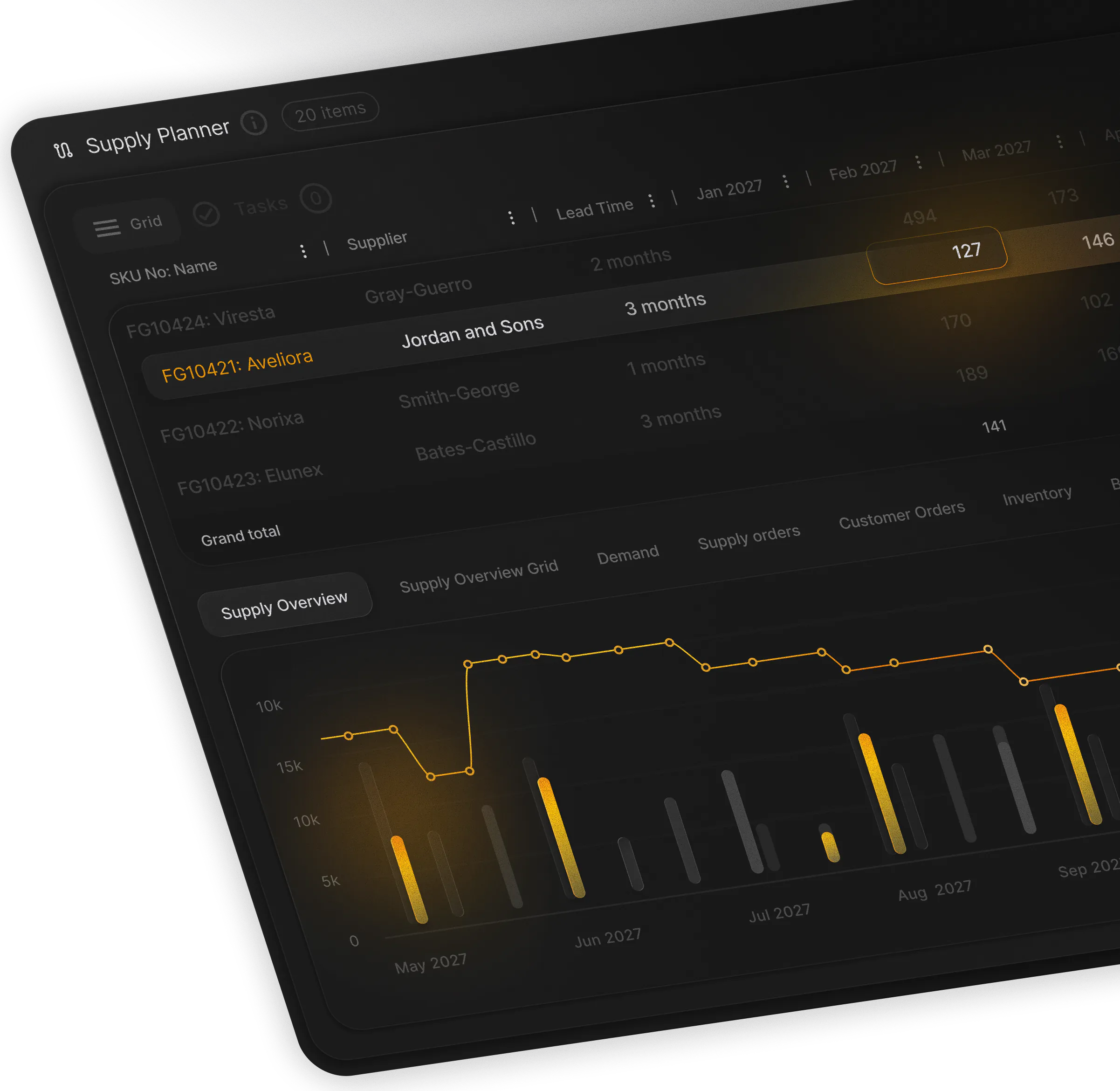
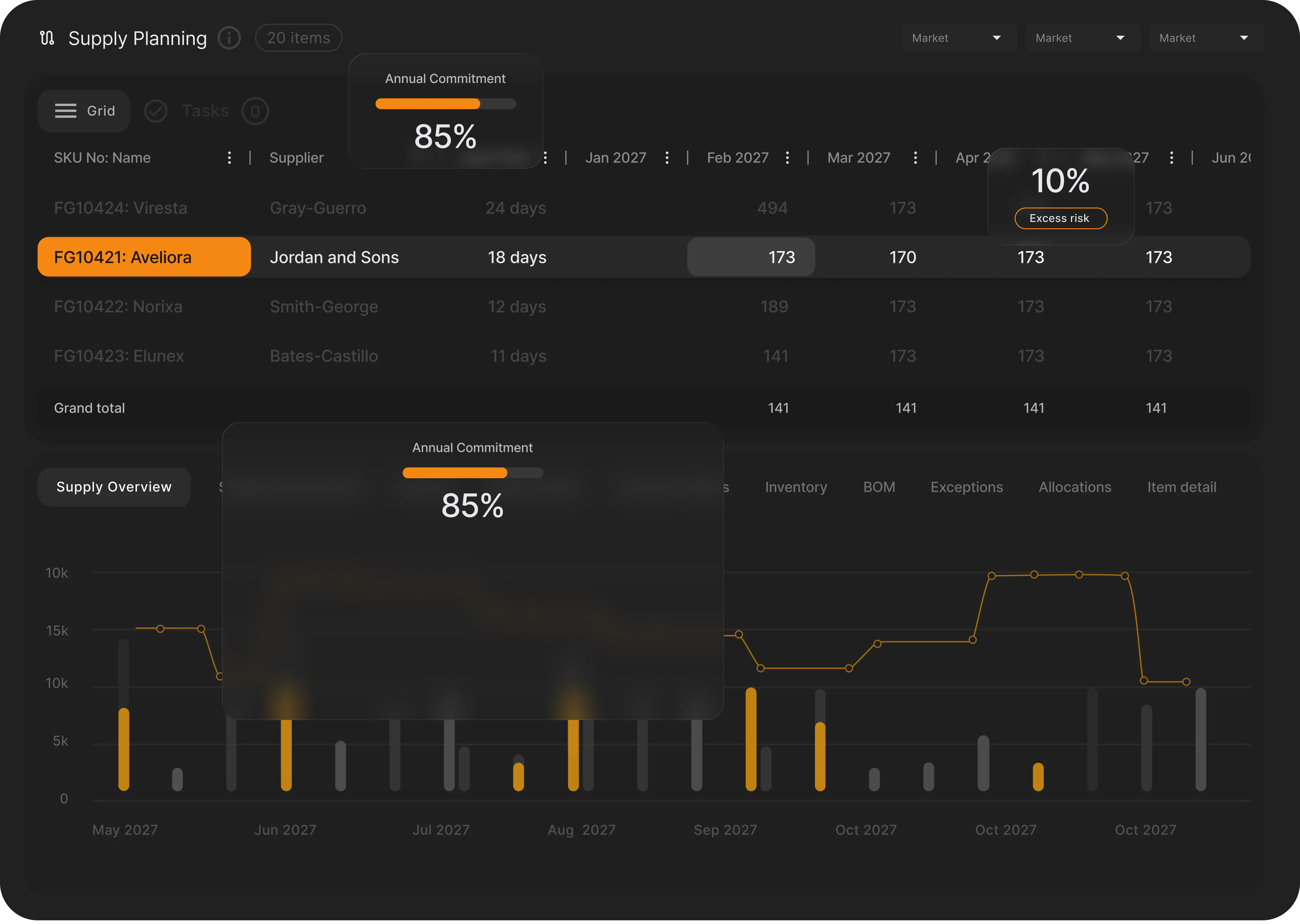
Pharma demand is fragmented across markets, affiliates, and systems. Consolidated demand visibility brings it all into one place—combining multi-market forecasts, standardizing inputs, and enabling portfolio-level planning. With platforms like PLAIO, teams get a real-time global view of demand, improving coordination, reducing risk, and aligning supply with actual market needs.
How Pharmaceutical Companies Achieve Consolidated Global Demand Visibility
What Is Consolidated Demand Visibility in Pharma?
Consolidated demand visibility refers to the ability to view and manage demand forecasts from multiple global markets within a single planning environment. Instead of relying on separate reports from regional affiliates or distributors, consolidated visibility allows pharmaceutical companies to combine these forecasts into a unified global demand plan.
This capability is increasingly important in the pharmaceutical industry, where demand signals originate from many different sources. Local affiliates, distributors, government tenders, and hospital purchasing groups may all contribute to the overall demand profile for a product. Without a unified view of these inputs, global planners often struggle to understand how much product will be required across their manufacturing network.
Planning platforms such as PLAIO enable companies to consolidate these regional forecasts into a standardized portfolio view, helping supply chain and commercial teams coordinate demand planning across global markets.
Why Global Pharma Demand Forecasting Is So Difficult
Forecasting demand in pharmaceutical markets is rarely straightforward. Demand can fluctuate due to seasonal illness patterns, changes in healthcare policy, competitive market activity, and the timing of government procurement programs.
In addition to these external factors, pharmaceutical companies often operate through decentralized market structures. Local affiliates and regional distributors collect market intelligence and generate forecasts independently. Each region may rely on different forecasting tools or methodologies, which can create inconsistencies when the data is consolidated at headquarters.
These fragmented inputs can make it difficult for global supply chain teams to form a reliable demand picture. By the time regional forecasts are manually aggregated and reviewed, the information may already be outdated. In industries with long production lead times - particularly where active pharmaceutical ingredient (API) manufacturing may take several months - these delays can lead to production imbalances and supply disruptions.
For this reason, many pharmaceutical companies are moving toward centralized demand visibility systems that allow planners to evaluate demand signals across all markets simultaneously.
How Multi-Market Forecast Rollups Improve Global Planning
One of the key capabilities required for consolidated demand planning is the ability to aggregate forecasts across multiple markets. Multi-market rollups combine regional demand inputs into a single global demand view that can be used for supply planning and production coordination.
When forecasts are consolidated in this way, planners can see how regional demand signals contribute to overall portfolio requirements. This visibility allows organizations to evaluate whether manufacturing capacity and supply availability are sufficient to meet global demand.
Standardization plays an important role in this process. Because affiliates may report forecasts in different formats - such as units, cases, or local currencies - planning systems must normalize these inputs so that they can be evaluated consistently at the global level.
Platforms such as PLAIO support this process by consolidating affiliate demand inputs into a standardized global demand plan that can be used by supply chain and production planning teams.
The Importance of Portfolio-Level Demand Planning
Pharmaceutical companies rarely manage products in isolation. Instead, they oversee large portfolios that include mature therapies, newly launched medicines, and products nearing the end of their lifecycle.
Portfolio-level planning helps organizations understand how demand shifts between these products over time. For example, the introduction of a new therapy may reduce demand for an older product within the same therapeutic category. If these relationships are not visible within the planning process, manufacturers may continue producing legacy products at levels that no longer reflect market demand.
By providing visibility across the full product portfolio, consolidated demand planning allows companies to evaluate how changes in one product may influence demand for others. This broader perspective helps planners allocate manufacturing capacity more effectively and prioritize production where it is most needed.
Combining Statistical Forecasts with Local Market Intelligence
Demand planning models often rely on statistical forecasting techniques that analyze historical demand patterns. These models are effective for identifying trends and seasonality but may not capture market events that have not occurred previously.
Local affiliates frequently possess valuable market intelligence that cannot easily be derived from historical data. For example, regional teams may be aware of hospital purchasing decisions, competitor supply disruptions, or changes in national healthcare policies that could significantly affect demand.
Collaborative planning environments allow this local knowledge to be incorporated into the forecasting process. When affiliate insights are combined with statistical forecasting methods, organizations can develop demand plans that better reflect real market conditions.
Planning platforms designed for pharmaceutical supply chains often support this collaborative approach by allowing regional teams to contribute structured demand inputs that feed into the global forecast.
Managing Tender-Driven Demand in Global Markets
In many pharmaceutical markets, demand is heavily influenced by government procurement programs and public health tenders. Winning a large tender may dramatically increase demand for a product, while losing a tender can eliminate demand entirely in a particular region.
This type of volatility presents a challenge for supply chain planning. If manufacturers fully commit production capacity before tender outcomes are known, they risk producing inventory that may not be required. Conversely, waiting until results are announced may leave insufficient time to produce and distribute the necessary volumes.
Demand planning systems can address this challenge by incorporating probability-based tender scenarios. By assigning likelihood estimates to upcoming tenders, planners can evaluate potential demand ranges and prepare manufacturing plans that account for different outcomes.
This risk-adjusted planning approach allows pharmaceutical companies to prepare for possible demand increases without overcommitting production resources.
Why ETDR Matters for Global Demand Planning
In pharmaceutical supply chains, demand forecasts must also consider the regulatory and quality processes that occur after production. Finished batches cannot be distributed until they have passed quality assurance testing and regulatory review.
Expected Time to Delivery and Release (ETDR) represents the period required for these processes. Because ETDR effectively extends the time between manufacturing and shipment, it must be included when evaluating whether forecasted demand can realistically be fulfilled.
When ETDR is incorporated into planning models, demand forecasts can be assessed against the actual availability timeline of finished products. This helps prevent situations where sales commitments are made before inventory is legally available for distribution.
Financial Benefits of Consolidated Demand Visibility
Improved demand visibility can have a direct impact on financial performance. When organizations have a clearer understanding of global demand requirements, they can align production more closely with market needs.
More accurate demand planning can reduce the likelihood of producing excess inventory that may expire before it reaches patients. At the same time, improved coordination between markets can help prevent shortages that lead to emergency shipments or costly production adjustments.
Consolidated visibility also supports more efficient working capital management. Instead of maintaining large inventory buffers across multiple regional locations, companies may be able to optimize inventory positioning based on a unified global demand plan.
Aligning Commercial and Supply Chain Teams
One of the broader organizational benefits of consolidated demand planning is improved alignment between commercial and operational teams. When demand forecasts, supply plans, and production schedules are generated within the same planning environment, different departments can operate using the same underlying data.
This shared visibility helps reduce disagreements over forecast assumptions and allows teams to focus on resolving supply challenges collaboratively. By aligning demand planning with supply chain execution, organizations can respond more effectively to market changes.
Planning platforms such as PLAIO aim to support this alignment by providing a shared demand planning environment where commercial and operational teams can evaluate global demand signals together.
The Future of Global Pharmaceutical Demand Planning
As pharmaceutical supply chains continue to expand across multiple markets, the need for consolidated demand visibility will become increasingly important. New therapies, complex distribution models, and evolving regulatory environments all place greater demands on supply chain coordination.
Planning approaches that provide visibility across global markets allow pharmaceutical companies to respond more effectively to these challenges. By consolidating regional demand inputs into a unified planning framework, organizations can better align manufacturing capacity, supply availability, and market demand.
This level of coordination helps ensure that medicines reach the patients who need them while maintaining efficient and resilient global supply chains.
Frequently Asked Questions
What is consolidated demand visibility?
Consolidated demand visibility refers to the ability to combine demand forecasts from multiple markets into a single global demand view used for supply chain and production planning.
Why is global demand forecasting difficult in pharma?
Pharmaceutical demand is influenced by regional healthcare policies, government tenders, and distributor networks. These factors create fragmented demand signals that must be consolidated for effective planning.
What are multi-market demand rollups?
Multi-market rollups aggregate regional demand forecasts into a global demand plan. This allows planners to evaluate total product demand across all markets simultaneously.
How do tender probabilities affect demand planning?
Tender probabilities allow planners to model potential demand scenarios before contract results are known. This helps manufacturing teams prepare for possible demand increases without overcommitting resources.
What is ETDR in pharmaceutical planning?
ETDR (Expected Time to Delivery and Release) represents the time required for quality assurance and regulatory approval before finished products can be distributed.
How does consolidated demand visibility reduce inventory risk?
When companies have a clearer view of global demand requirements, they can align production more closely with actual market needs and reduce the risk of producing excess inventory.