
TLDR:
Multi-echelon inventory optimization (MEIO) helps pharmaceutical companies manage inventory across the entire supply network, not just individual locations.
By considering demand variability, lead times, production constraints, and safety stock across multiple nodes, MEIO improves product availability while reducing excess inventory and expiry risk.
Platforms like PLAIO enable this by modeling real-world constraints, coordinating CMOs, and optimizing inventory decisions at a network level.
What Is Multi-Echelon Inventory Optimization in Pharma?
Multi-echelon inventory optimization (MEIO) is a planning approach that determines how inventory should be positioned across multiple stages of a supply chain. Rather than managing stock levels independently at each warehouse or production site, MEIO analyzes the entire network to determine where inventory buffers provide the greatest protection against supply variability.
In pharmaceutical supply chains, this approach is particularly valuable. Medicines must remain consistently available to patients, yet maintaining excessive inventory introduces financial risks and increases the likelihood of product expiry. MEIO helps organizations balance these competing priorities by coordinating inventory decisions across manufacturing, packaging, distribution, and market channels.
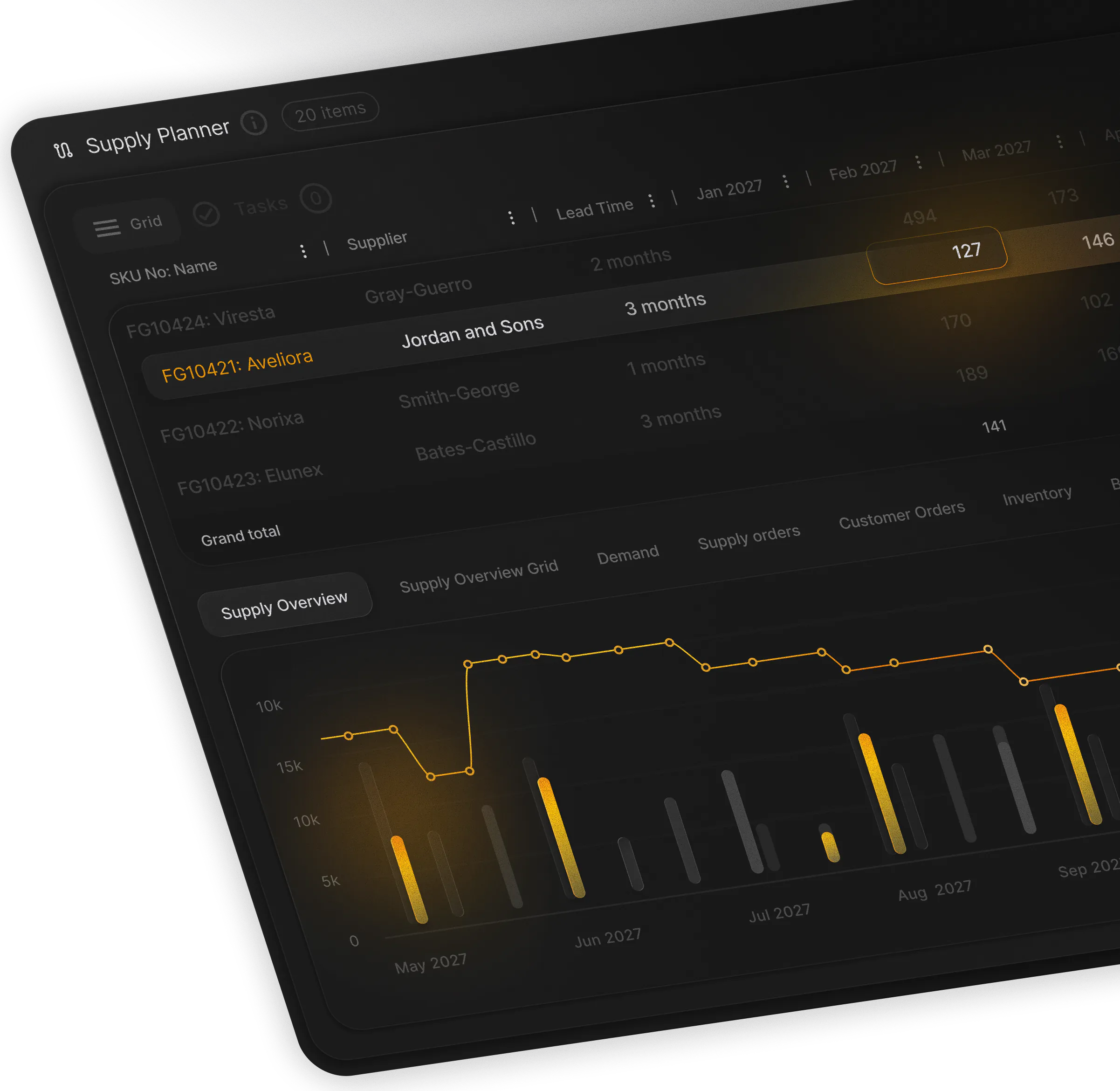
Planning platforms such as PLAIO support this network-based approach by enabling planners to evaluate demand forecasts, supply constraints, and inventory targets across multiple supply chain nodes simultaneously.
Why Inventory Optimization Is Especially Challenging in Pharmaceutical Supply Chains
Pharmaceutical supply chains are significantly more complex than those found in many other industries. Products often require long manufacturing cycles, strict quality control processes, and regulatory approvals before they can be released to the market. These factors introduce long and sometimes unpredictable lead times into the supply chain.
In addition to these operational constraints, many pharmaceutical products are sensitive to time and storage conditions. Medicines have defined stability periods, and once a product approaches its expiration date it may no longer be usable. This means that inventory planning must carefully balance availability with the risk of obsolescence.
Global market requirements also add complexity. A single bulk drug product may eventually be packaged into multiple configurations, strengths, and language formats depending on the market in which it will be sold. Coordinating supply for these different product variants requires a planning perspective that extends beyond individual facilities.
For these reasons, pharmaceutical companies increasingly rely on network-level planning approaches such as MEIO to manage supply chain performance.
How Traditional Inventory Planning Creates Inefficiencies
Traditional supply planning approaches often treat each location in the supply chain as an independent entity. Warehouses, manufacturing sites, and distribution centers each maintain their own inventory targets and safety stock policies.
While this approach may appear practical at a local level, it can create inefficiencies when viewed across the entire supply network. When each location independently increases its safety stock to protect against uncertainty, the result is frequently duplicated buffers throughout the supply chain.
This effect can amplify variability as demand signals move upstream. Small changes in patient demand at the market level may trigger disproportionately large swings in production schedules. This phenomenon, commonly known as the bullwhip effect, can destabilize manufacturing operations and increase working capital requirements.
Multi-echelon inventory optimization addresses this issue by evaluating the supply chain as an interconnected system. Rather than optimizing inventory at each node individually, MEIO determines where stock should be positioned to protect service levels for the entire network.
How Multi-Echelon Planning Works in Pharmaceutical Networks
In a multi-echelon planning model, the supply chain is represented as a network of interconnected nodes. These nodes may include raw material suppliers, API manufacturing facilities, contract manufacturing organizations (CMOs), packaging plants, distribution centers, and regional market channels.
Planning calculations evaluate how demand variability, production lead times, and supply constraints propagate through this network. The goal is to determine the inventory levels required at each stage to maintain desired service levels while minimizing total network inventory.
Because the calculations consider multiple stages simultaneously, planners gain a clearer understanding of how decisions made in one part of the supply chain influence other stages. For example, an increase in demand in a particular market may require adjustments to production plans months earlier in the manufacturing process.
Solutions such as PLAIO provide a planning environment where these relationships can be evaluated using demand forecasts, supply planning models, and scenario analysis tools.
What Is ETDR in Pharmaceutical Inventory Planning?
Expected Time to Delivery and Release (ETDR) is a key planning parameter used in pharmaceutical supply chains. ETDR represents the time required for a product to move through manufacturing, quality testing, and regulatory release processes before it becomes available for distribution.
Unlike many consumer goods industries, pharmaceutical products cannot typically be shipped immediately after production. They must pass through quality assurance procedures that confirm product safety and regulatory compliance. During this period, the inventory physically exists but cannot yet be sold or distributed.
Because ETDR effectively extends the supply lead time, it must be incorporated into inventory planning calculations. When this parameter is included in supply chain models, planners can more accurately determine the safety stock levels needed to maintain availability.
Modeling Real Pharmaceutical Manufacturing Constraints
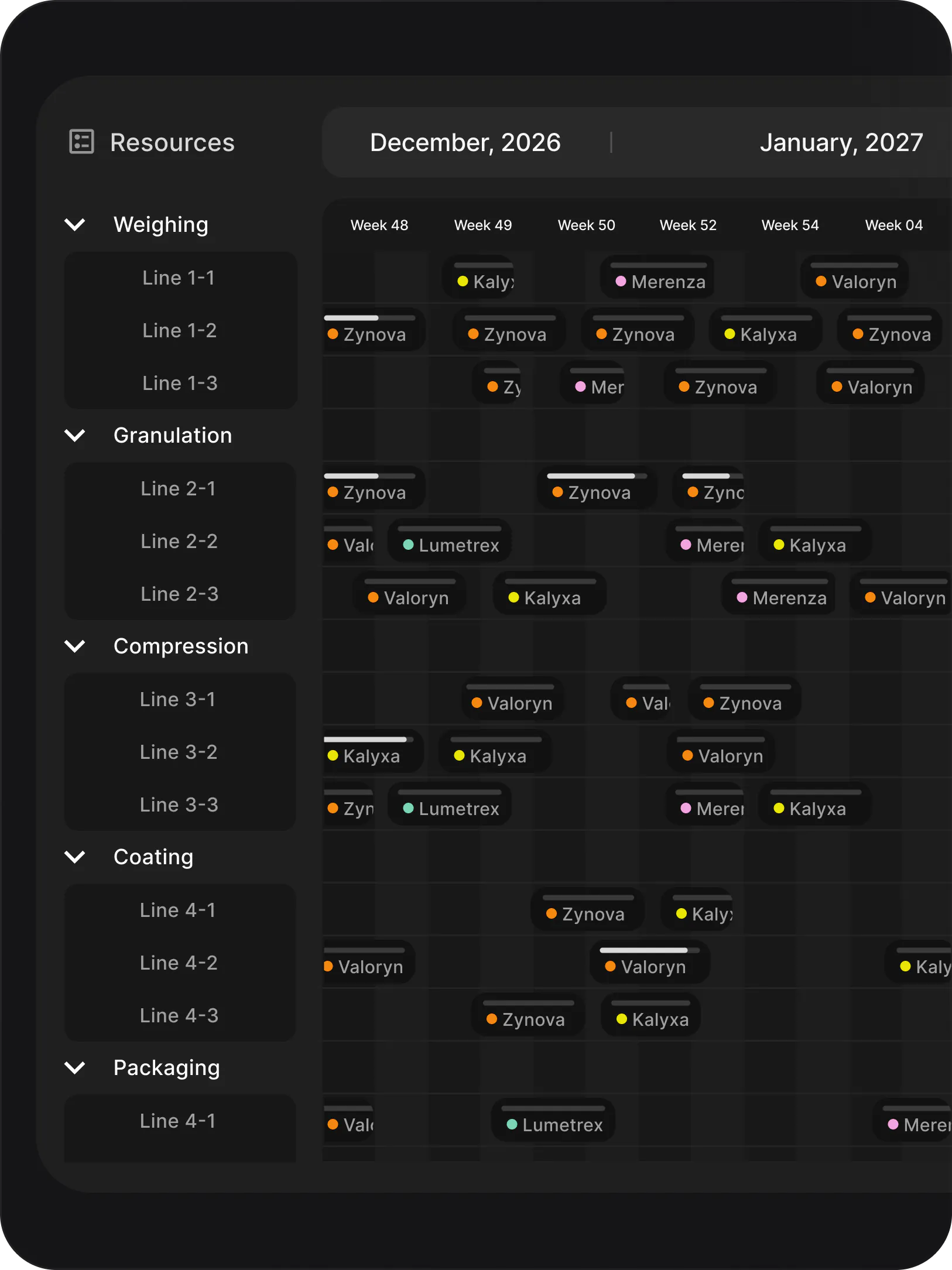
Pharmaceutical production introduces operational constraints that planning systems must consider. Manufacturing processes are often batch-based, meaning products are produced in defined campaigns rather than continuous flows.
Changing production lines between products may require cleaning procedures, equipment preparation, or regulatory documentation. These changeovers can significantly influence how production schedules are structured.
Quality control processes introduce additional timing considerations. Laboratory testing and regulatory release procedures must be completed before products can move to distribution stages. As a result, planning models must incorporate these timelines to produce realistic supply plans.
By including these operational constraints in supply chain models, planners can ensure that recommended production and inventory strategies remain feasible in practice.
Why Safety Stock Should Be Planned Across the Network
Traditional inventory management methods frequently rely on static rules such as maintaining a fixed number of weeks of inventory at each location. While easy to implement, these rules do not account for how variability moves across a multi-stage supply chain.
Multi-echelon planning evaluates safety stock decisions from a network perspective. Instead of asking how much inventory a single warehouse should hold, planners consider how inventory buffers can protect the entire supply chain.
For example, if upstream manufacturing facilities can respond quickly to changes in demand, it may be more efficient to hold additional inventory near production rather than distributing safety stock across multiple regional warehouses. Conversely, when replenishment lead times are long or uncertain, positioning inventory closer to demand may provide better service protection.
By evaluating these trade-offs across multiple supply chain nodes, organizations can develop inventory strategies that support both service reliability and operational efficiency.
The Role of Contract Manufacturing Organizations in Supply Planning
Contract manufacturing organizations are an integral part of many pharmaceutical supply chains. These partners may handle specialized production steps, provide additional manufacturing capacity, or perform packaging and finishing operations.
In supply chain planning models, CMOs can be represented as additional nodes within the network. Their production lead times, capacity constraints, and scheduling considerations influence how materials flow through the broader supply chain.
Including these assumptions within the planning model allows organizations to better understand how CMO performance may affect downstream supply availability. It also enables planners to evaluate potential risks and identify where inventory buffers may be required to maintain service levels.
The Strategic Importance of Network-Level Planning
Pharmaceutical supply chains continue to grow in complexity as companies expand globally and face evolving regulatory requirements. At the same time, disruptions in manufacturing, logistics, or market demand can quickly affect product availability.
Planning approaches that provide visibility across the entire supply network are becoming increasingly important. Multi-echelon inventory optimization allows organizations to analyze supply chain decisions from a system-wide perspective rather than focusing solely on individual locations.
By adopting network-based planning approaches, pharmaceutical companies can improve coordination across manufacturing, distribution, and market channels while supporting consistent patient access to medicines.
Frequently Asked Questions
What is multi-echelon inventory optimization?
Multi-echelon inventory optimization is a planning methodology that determines how inventory should be positioned across multiple stages of a supply chain in order to maintain service levels while minimizing total network inventory.
How is MEIO different from traditional inventory planning?
Traditional planning methods typically manage inventory at each location independently. MEIO evaluates the entire supply chain simultaneously, allowing organizations to position inventory more efficiently across the network.
Why is MEIO important for pharmaceutical companies?
Pharmaceutical supply chains often involve long production lead times, strict regulatory requirements, and limited product shelf lives. MEIO helps organizations coordinate inventory decisions across multiple stages of the supply chain to maintain product availability while managing inventory risks.
What does ETDR mean in pharmaceutical planning?
ETDR, or Expected Time to Delivery and Release, represents the time required for a product to move through manufacturing and quality release processes before it becomes available for distribution.
Do planning systems replace supply chain planners?
Planning systems provide analytical models and scenario evaluation capabilities, but human planners remain essential for interpreting results, managing supplier relationships, and responding to unexpected events.