AI supply chain planning depends on how well systems process and respond to change. Traditional approaches rely on fixed rules and manual updates. These methods limit visibility and delay response across supply chain management processes.
AI-driven systems operate differently. They analyze historical data, interpret real-time signals, and adjust planning outputs continuously. This improves how inventory, production schedules, and supply decisions align with actual conditions.
This shift defines how modern planning environments operate. AI-powered supply planning moves from reactive adjustments to continuous, data-driven control across the supply chain.
Understanding how this works requires examining how AI connects planning, execution, and decision-making across the full supply chain.
What AI in Supply Planning Actually Changes
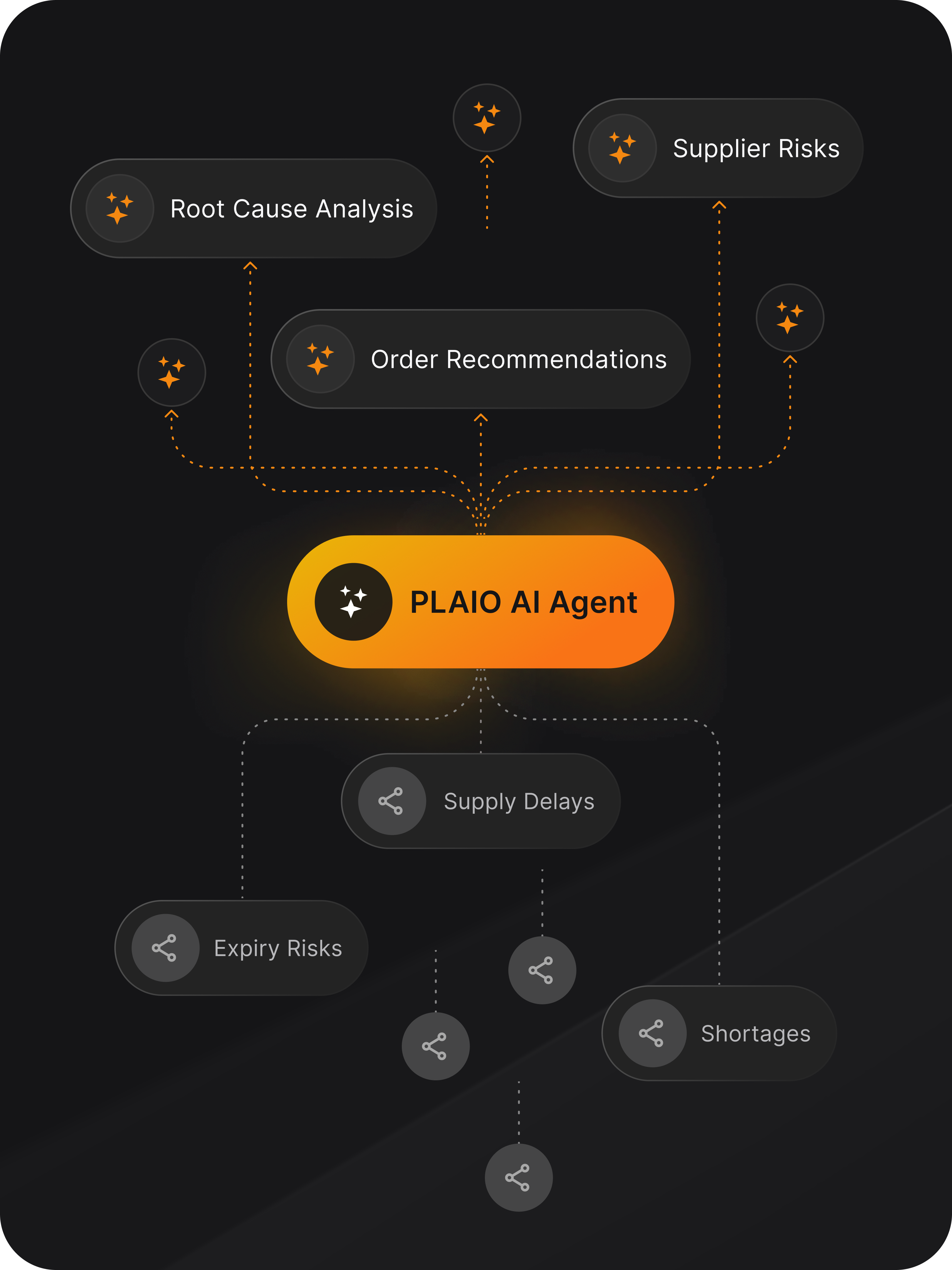
AI in supply planning changes how decisions are made. It replaces static planning cycles with continuous updates based on real-time data and historical data. Traditional planning systems depend on periodic reviews. These reviews often lag behind actual supply chain conditions. AI systems close this gap by analyzing data as conditions change.
Key changes include:
-
Continuous demand planning updates based on market trends
-
Dynamic adjustment of stock levels across locations
-
Real-time alignment of production schedules with supply constraints
-
Faster identification of supply chain disruptions
This approach creates a planning environment that reflects current conditions, not outdated assumptions.
How AI Improves Demand Planning Accuracy
Demand planning defines how supply planning begins. In pharmaceutical operations, inaccurate forecasts create excess inventory or shortages. AI improves demand planning by analyzing large volumes of historical data and external signals. It identifies patterns that traditional models often miss. This forms the foundation of AI demand forecasting within supply chain management.
Core capabilities
AI-driven demand planning includes:
-
Pattern recognition across historical demand data
-
Detection of market trends and seasonality
-
Continuous forecast updates using real-time data
-
Scenario modeling for demand variability
Improved demand planning reduces variability across supply chain operations. It stabilizes decisions downstream in inventory and production.

AI and Inventory Optimization Across the Supply Chain
Inventory management remains a core challenge in pharmaceutical supply chains. Excess stock increases cost and risk. Low stock impacts availability and compliance. AI enables more precise control of stock levels by continuously analyzing supply and demand conditions.
How AI optimizes inventory
-
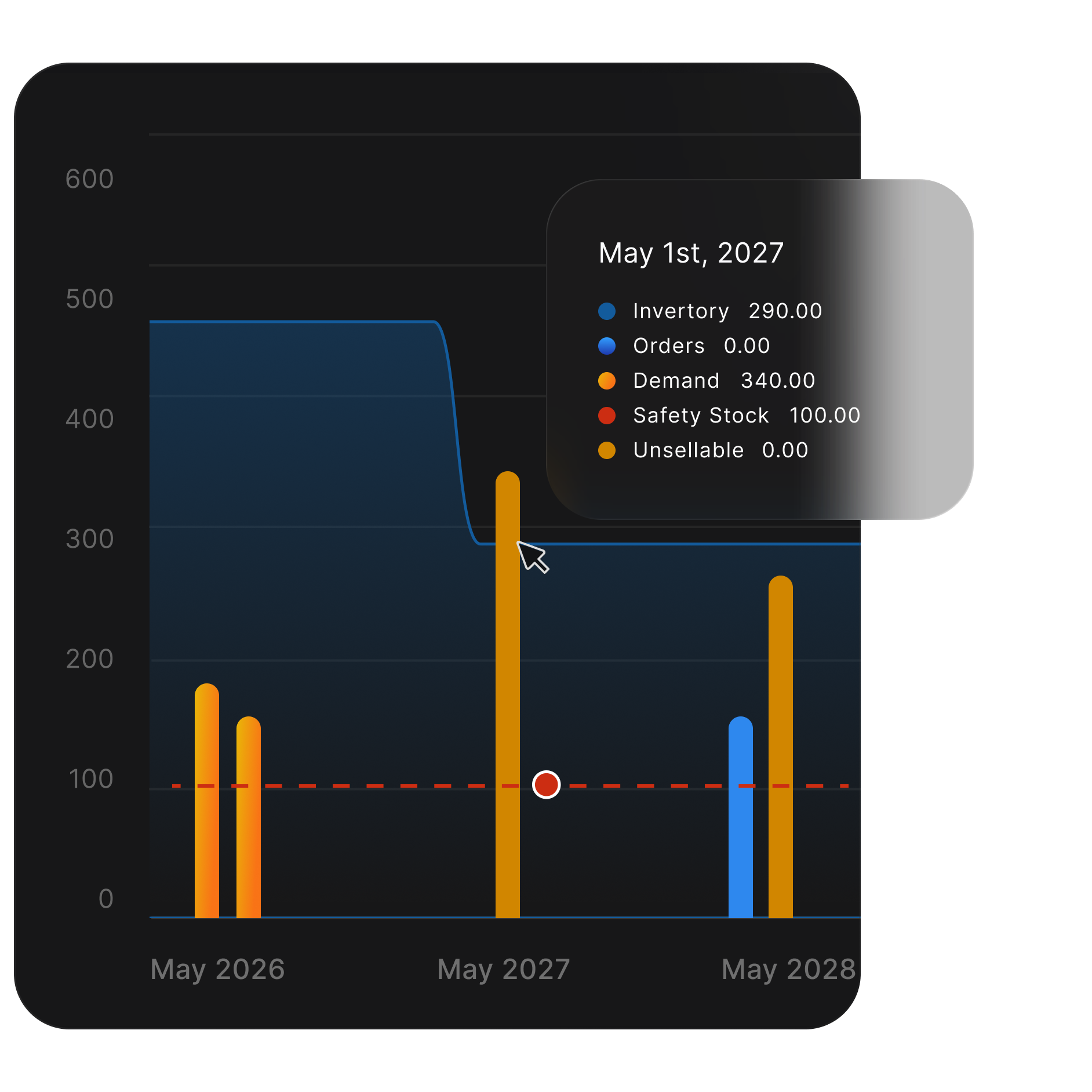
Adjusts safety stock based on variability and lead times
-
Balances inventory across multiple locations
-
Identifies slow-moving or excess inventory
-
Supports redistribution decisions across warehouses
This improves warehouse operations and ensures better alignment between supply and demand. Optimizing inventory through AI reduces costs while maintaining required service levels. This plays a key role in broader supply chain optimization by improving how inventory is managed across locations.
Aligning Production Schedules with Real-Time Data
Production planning depends on accurate inputs from demand and supply. Delays or incorrect assumptions create inefficiencies across manufacturing operations. AI systems improve production schedules by integrating real-time data from across the supply chain.
Key improvements
-
Adjusts production schedules based on material availability
-
Responds to capacity constraints and delays
-
Aligns manufacturing output with updated demand signals
-
Reduces downtime caused by planning gaps
This creates a synchronized production environment. It supports consistent execution in regulated pharmaceutical manufacturing.
AI Enables Scenario Planning and Predictive Decision-Making
Traditional supply planning relies on fixed scenarios and manual adjustments. This limits the ability to respond to variability. AI enables dynamic scenario planning by simulating multiple outcomes using historical data and real-time data. Planning teams can evaluate different supply and demand conditions before making decisions.
Key capabilities
-
Simulates demand variability based on market trends
-
Evaluates supply constraints across suppliers
-
Tests production schedules under different conditions
-
Identifies risks before they impact execution
AI systems continuously update these scenarios as conditions change. This allows planning teams to shift from reactive adjustments to predictive decision-making. These capabilities rely on machine learning in supply chain environments to continuously improve decision accuracy.
Connecting End-to-End Supply Chain Operations
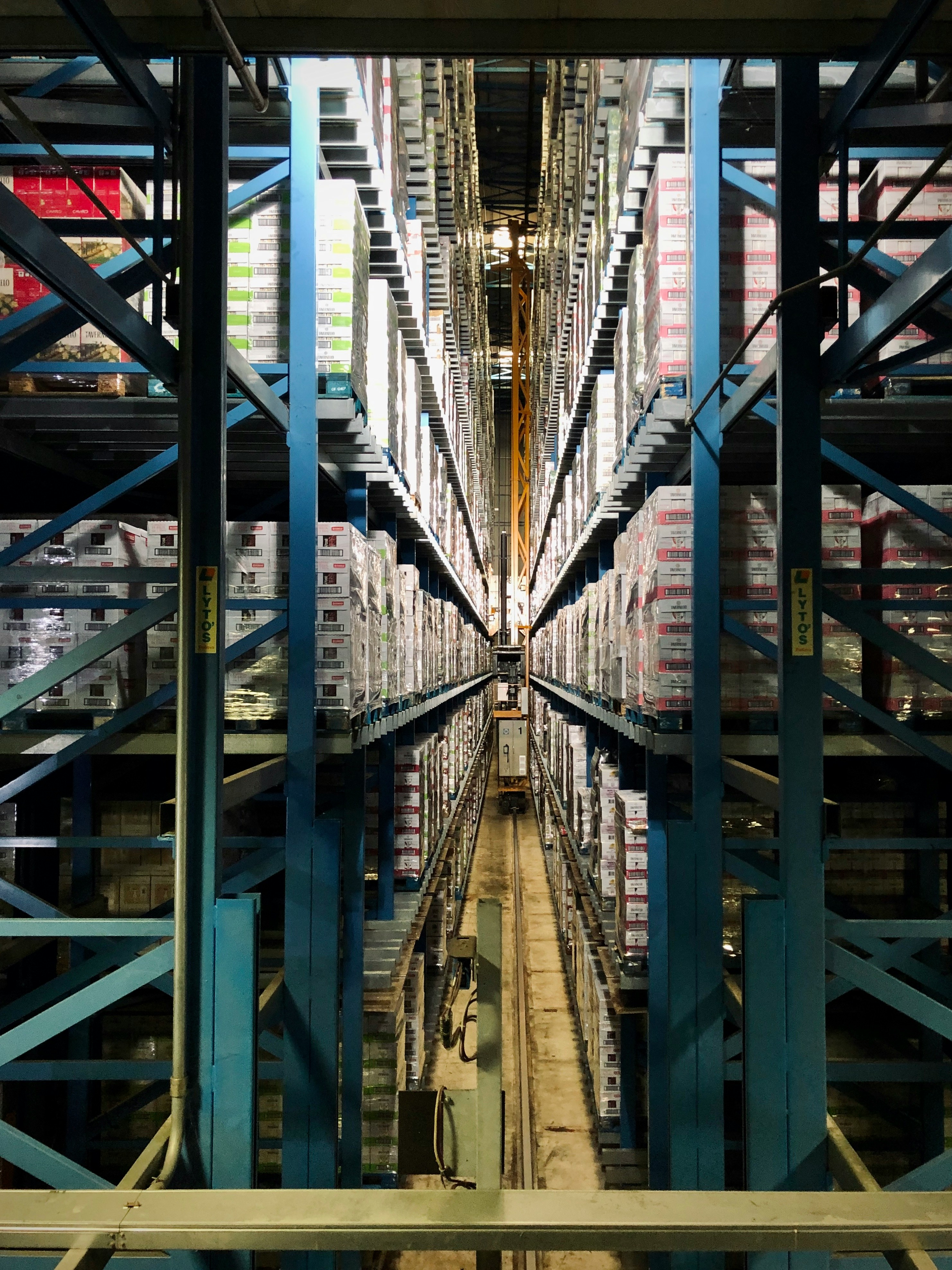
AI improves supply planning by connecting fragmented processes. Traditional environments often separate demand planning, inventory management, and logistics operations.
AI systems unify these functions through shared data and continuous analysis.
End-to-end impact
-
Demand planning updates flow directly into supply decisions
-
Inventory levels reflect real-time production and logistics data
-
Transportation management adapts to delays and disruptions
-
Supply chain operations operate with consistent data across functions
Platforms such as PLAIO focus on this level of integration. They connect planning and execution data within a single environment. This allows AI systems to operate with consistent inputs and generate more reliable outputs.
This integration improves supply chain visibility and reduces delays caused by disconnected systems.
AI Improves Exception Detection Across Supply Chain Operations
Supply chains generate constant variability. Many issues remain undetected until they affect production or delivery. AI improves how exceptions are identified and analyzed. It detects patterns and anomalies that traditional systems often miss.
How AI improves exception detection
-
Identifies deviations from expected demand patterns
-
Detects supply risks based on historical supplier performance
-
Flags delays in logistics operations using real-time tracking
-
Surfaces potential issues earlier in the planning cycle
AI systems reduce reliance on manual monitoring. They highlight only the events that require action. This strengthens supply chain visibility and improves response speed across operations.

Reducing Costs Through Data-Driven Planning
Cost reduction in supply chain management depends on efficiency and accuracy. AI improves both by reducing waste and improving planning decisions.
Where cost savings occur
-
Reduced expedited shipping due to better planning
-
Fewer production disruptions
-
Improved use of warehouse and transportation resources
AI-driven planning continuously identifies inefficiencies and corrects them. This creates a more cost-efficient supply chain without increasing operational complexity.
Data Integration as the Foundation of AI-Driven Planning
AI systems require consistent and connected data. Fragmented data limits the effectiveness of AI tools. Many organizations struggle with disconnected systems across supply chain operations. This creates gaps in data quality and reduces planning accuracy.
Key data requirements
-
Clean and structured historical data
-
Real-time data across supply chain systems
-
Consistent definitions across planning functions
-
Centralized access to operational data
Without this foundation, AI systems cannot generate reliable insights. Mid-market pharmaceutical companies often rely on spreadsheets or siloed systems. Moving toward integrated platforms creates the structure needed for AI-driven planning.
Challenges with Legacy Planning Systems
Legacy systems limit the ability to adopt AI in supply planning. They restrict access to real-time data and create delays in decision-making. Common limitations include:
-
Manual updates across planning processes
-
Limited visibility into supply chain operations
-
Inconsistent data across systems
-
Slow response to market changes
These challenges reduce planning accuracy and increase operational risk.
Moving Toward AI-Powered Supply Planning
Adopting AI requires more than new tools. It requires structured data, integrated systems, and aligned workflows. AI - powered planning environments connect demand planning, inventory management, and supply planning into a unified process.
Key capabilities include:
-
Continuous analysis of historical and real-time data
-
AI-driven recommendations across planning functions
-
Centralized supply chain visibility
-
Scalable processes for mid-market pharmaceutical companies
This approach supports a transition from manual planning to data-driven execution.
AI as the Foundation of Modern Supply Planning
AI in supply planning defines how modern supply chains operate. It connects data, decisions, and execution across the full planning cycle. This integration improves how planning systems respond to variability and change.
Pharmaceutical companies that adopt AI-driven planning improve accuracy, reduce costs, and strengthen operational control. They align demand planning, inventory management, and production schedules with real conditions using real-time data.
This approach reduces reliance on manual processes and static assumptions. It creates a structured, data-driven planning environment that adapts continuously. The result is a more responsive, efficient, and stable supply chain that can manage variability without losing control.
FAQs
What is AI in supply planning?
AI in supply planning uses machine learning and data-driven models to analyze historical data and real-time data, enabling more accurate forecasting, inventory optimization, and production planning decisions.
How does AI improve end-to-end supply chain planning?
AI improves end-to-end supply chain planning by integrating demand planning, inventory management, and logistics operations through continuous data analysis, enabling faster, more accurate decision-making throughout the planning cycle.
What are the key benefits of AI in pharmaceutical supply chains?
AI improves forecast accuracy, optimizes stock levels, reduces costs, enhances supply chain visibility, and supports compliance by aligning planning decisions with real-time conditions in regulated environments.
How does AI use historical and real-time data in supply planning?
AI systems analyze historical data to identify patterns and combine it with real-time data to adjust forecasts, inventory levels, and production schedules as conditions change across supply chain operations.
What challenges do companies face when implementing AI in supply planning?
Common challenges include fragmented data, reliance on legacy systems, limited real-time visibility, and a lack of integration across planning functions, which can reduce the effectiveness of AI-driven solutions.
